
I’ve recently been honing my soil science knowledge, and decided to finally start getting myself familiar with the USDA system of soil taxonomy. This is the system of classification mainly used by the United States, but it is quite universal and is also used by smaller countries that don’t have their own classification system, alongside the World Reference Bank system. Many of the soil groups can be put in terms of Canadian classification, which is what I am going to attempt in this post; to make it easier for myself and to serve as a reference for my friends and coworkers who are interested in familiarizing themselves with the system. I will not go into great depth here, and will only classify based on groups (the USDA name for orders), as I still have much to learn. I intend to update this post as my studies go along. As always, if there are errors please don’t hesitate to contact me. I am always ready to learn more.
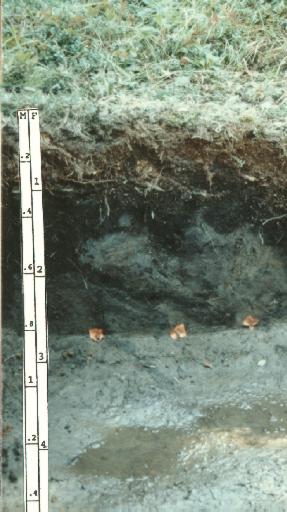
Gelisols – Cryosols
starting with the most important order in Canadian soil classification, Cryosols in the USDA system are called Gelisols. As far as I have researched, the qualifying criteria are the same (permafrost within 1 meter, or 2 meters with evidence of cryoturbation).
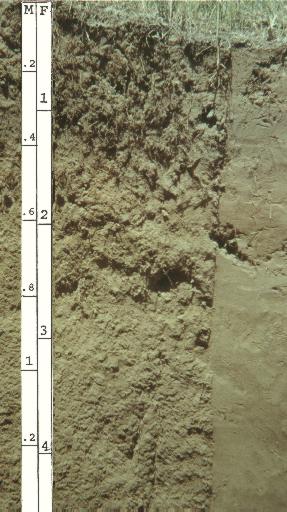
Entisols – Regosols
Weakly developed soils, without a B horizon.
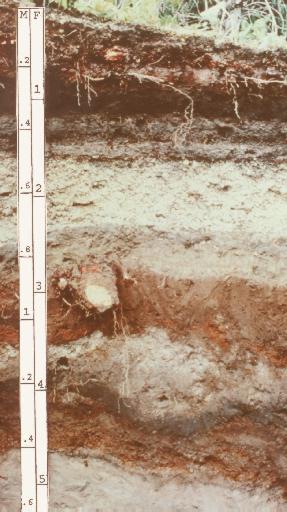
Andisols – Andic Subgroup
In Canada we don’t have many soils formed from volcanic parent material. This is the qualifying characteristic of an Andisol. They are young soils, as volcanic ash is highly volatile. The best equivalent would be an andic Brunisol.
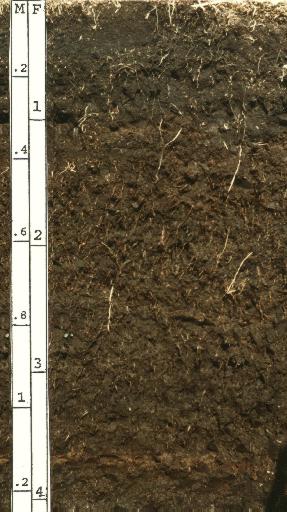
Histosols – Organic Soils
Histosols refer to soils that are covered with more than 40cm of organic material. The closest approximation in the CSSC would be one of the 4 types of Organic Soils (Fibric, Mesic, Humic, Folic).
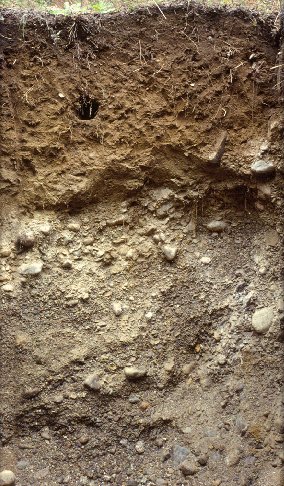
Inceptisols – Brunisols
Inceptisols are young soils, which are beginning to show development but not enough to fit in a more structured group in the USDA system, similar to Brunisols in CSSC.
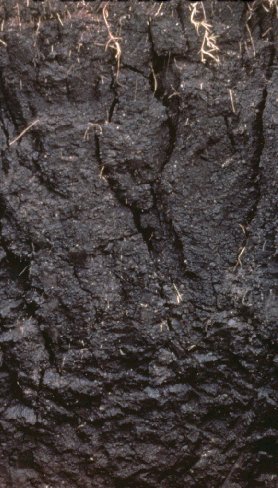
Vertisols – Vertisols
Here is one group that is essentially the same in the two systems.
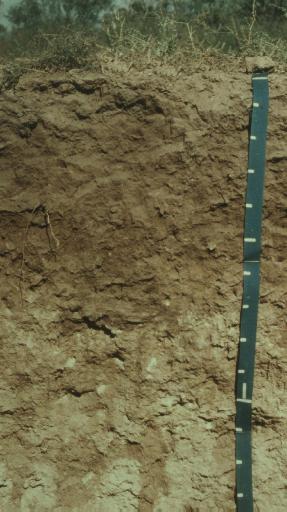
Aridisols – Solonetz
This is a little bit of a stretch, but Aridisols are known for being in a dry arid climate which can contribute to being affected by salts. This soil is hard to fit into CSSC classification.
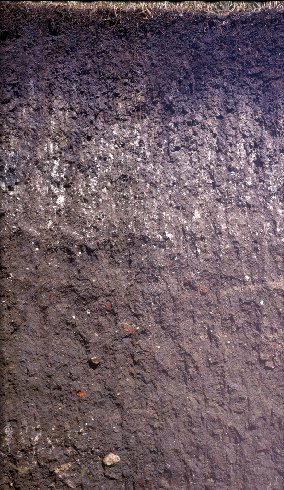
Mollisols – Chernozems
This comparison is also not perfect, but Mollisols and Chernozems are both known to be prevalent in grasslands. They both feature thick organic deposits in A layers, although the specific criteria for Canadian chernozems is more strict than Mollisols.
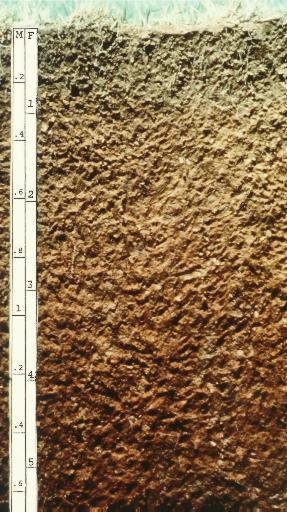
Alfisols – Luvisols
Both of these classifications are characterized by clay lessivage.
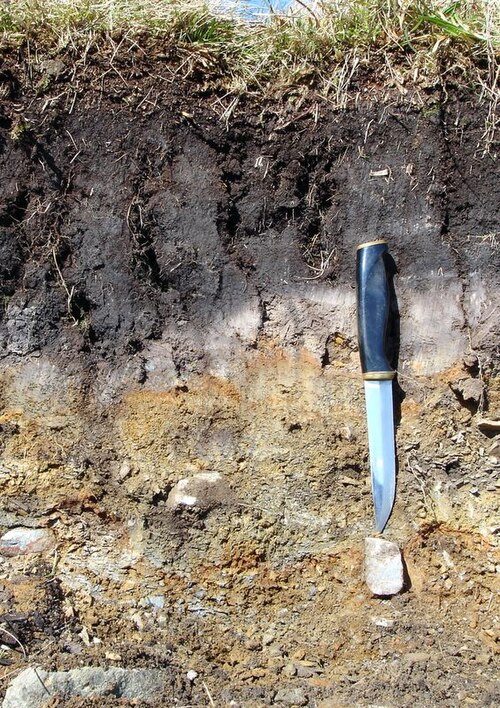
Spodosols – Podzols
Both Spodosols and Podzols are characterized by an accumulation of Iron, Aluminum, and Organic material below the surface layer. The names likely both orginate from Ukranian / Russian soil science, relating to an upper A horizon that appears “ashy”.
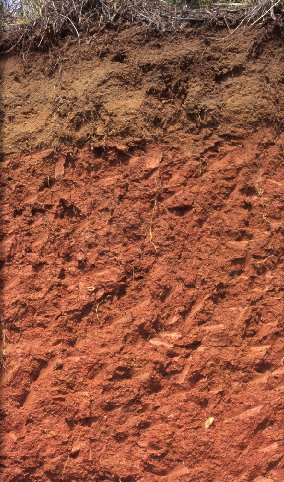
Ultisols – Podzols
Here is an interesting case. If you didn’t know, Canadian soils are relatively young on the world stage. This is because the vast majority of our soils only began forming after the last ice age. Ultisols are sometimes called red-yellow soils, or even classified as Podzols in other parts of the world. They characteristically are highly leached, have high aluminum and iron content, low pH, and low cation exchange capacities. This is theoretically the course of development a Canadian podzol would have if allowed to develop long enough.
Oxisols – Podzols
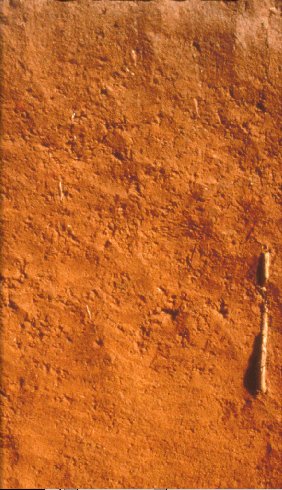
Just as above, this group relates most closely to an extremely weathered Podzol. All of the above characteristics should be present in an Oxisol, but more extreme. These types of soils can only be found in areas that have had very ancient soil genesis.
Honourable mention – Gleysols
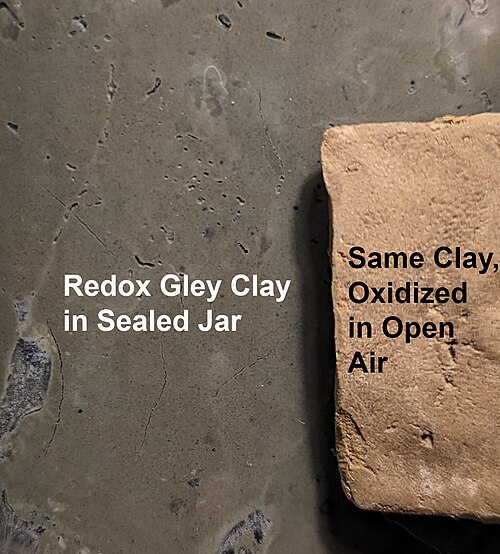
Gleysols are a prominent order in Canadian soil science. They are characterized by experiencing anaerobic conditions some or all of the year, as well as mottling. Perhaps the reason Gleysols don’t have an equivalent group in the USDA system is because they will mostly be covered with Peat, given long enough to develop in anaerobic conditions and slowing organic decomposition. The USDA does have aquic suborders, but I have yet to dive in to those.
Conclusion
As always, take my blog posts with a grain of clay (2 micrometers). I am always learning more, and each day I realize how much I didn’t know yesterday.
 Jaron Rosso Wiigs