
In my soil work I have heard about or encountered other soil classification systems, namely the US system, which is also broadly used in countries that haven’t yet created their own system.
I felt I should make this post to demonstrate where my strong points in terms of soil might be, and also where I would like to improve. Out of all classification systems I have encountered besides Canada’s, the US system is what I would like to learn most. This is because the US system focuses more on the mineralogy of soils.
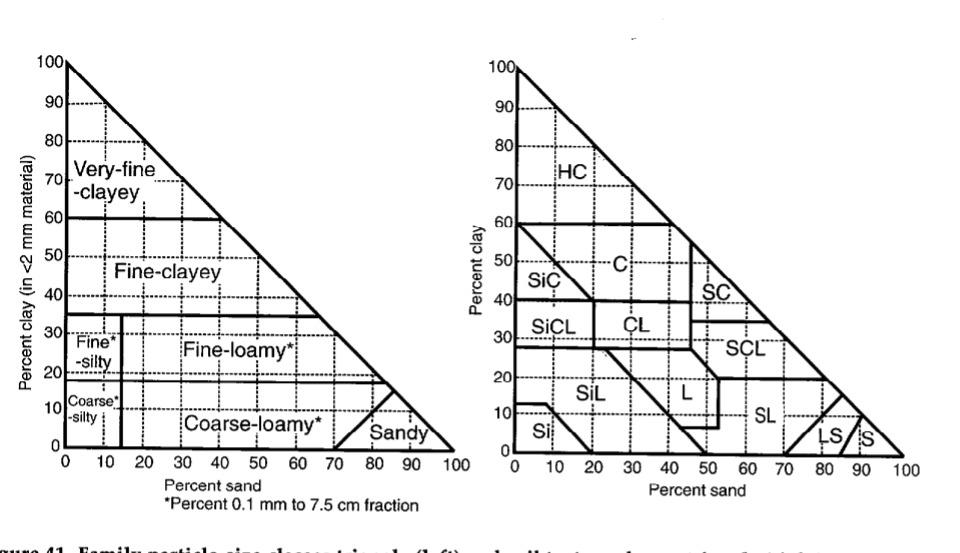
In Canada, we do focus on particle size extensively, as texture is an extremely important step in classifying the physical processes acting on the soil, as having an influence on determining the parent material.
In Canada’s system, the closest thing we have to classifying soil chemical properties in the field is the lowercase horizon suffix k, denoting the presence of carbonates, which hints at eluviation processes acting on the soil, as well as a glacial till parent material.
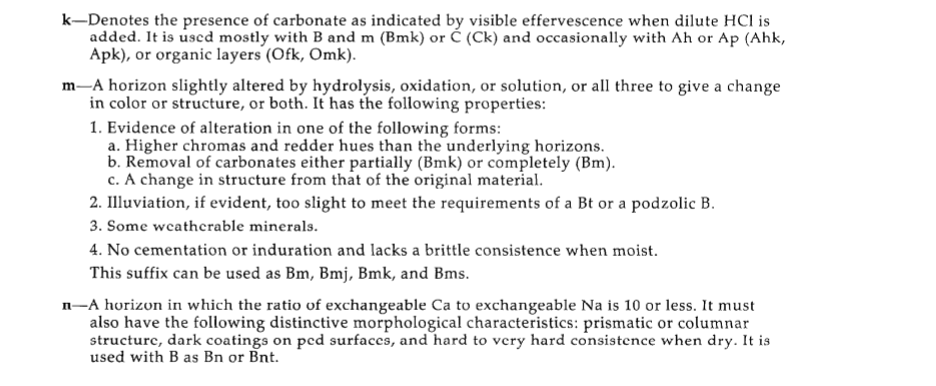
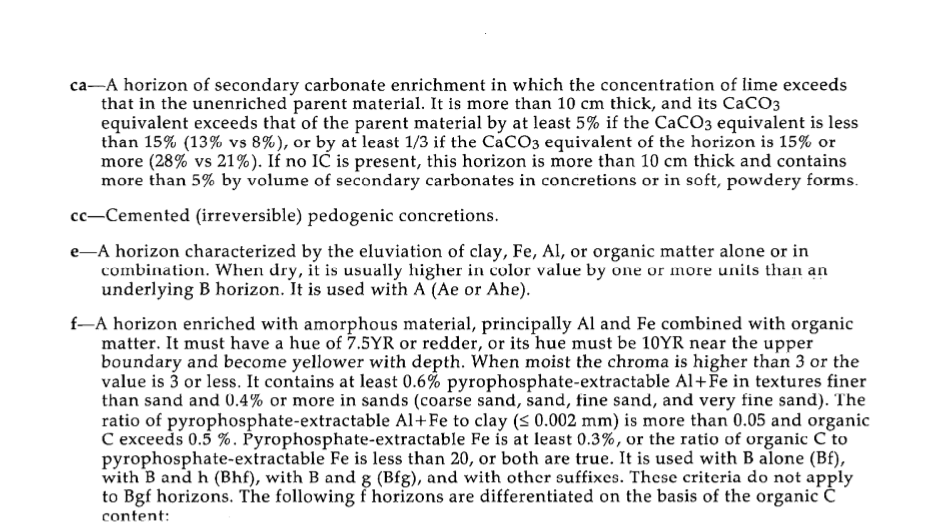
We do have the f lowercase suffix for soil horizons, which depends on the presence of certain ratios of pyrophosphate, iron, aluminium, and organic matter, but these can only be confirmed with lab testing.
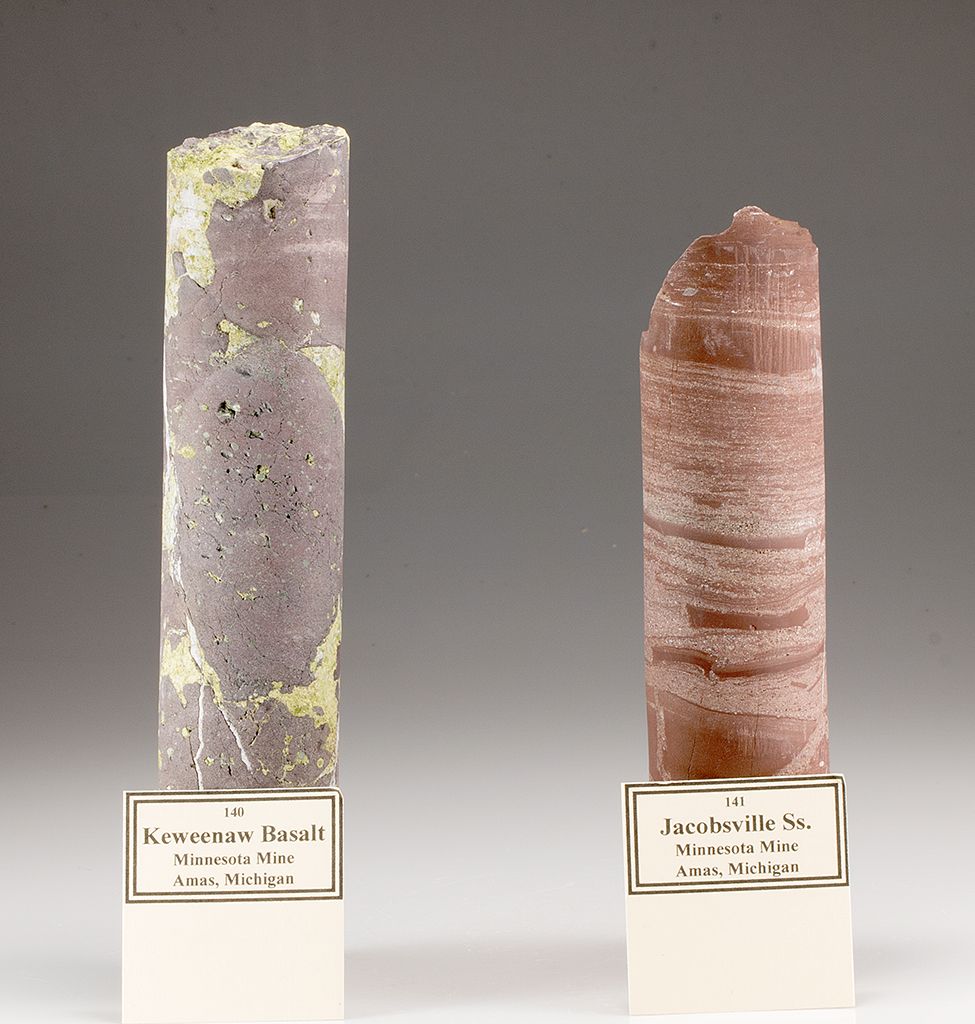
In the US system (and most of the world, because many countries use the US system), mineralogy and chemistry is focused on much more. In drilling and core sampling projects at my work, we use the US system. I hope to explore some of these projects to improve my understanding of soil mineralogy and chemistry in the near future.
Overall, Canadian soil science is more based around physics, with some chemistry involved. The Canadian system of soil classification is available for free online in PDF form here. As always, if any information presented in this post is wrong or you have anything to add, please contact me! I am always trying to learn more.
 Jaron Rosso Wiigs