

I had an interesting opportunity in my winter wildlife sweeps to go over sites that I had previously done summer soil surveys on, now with the help and guidance of professional biologists on the team to teach us where animals prefer to den.
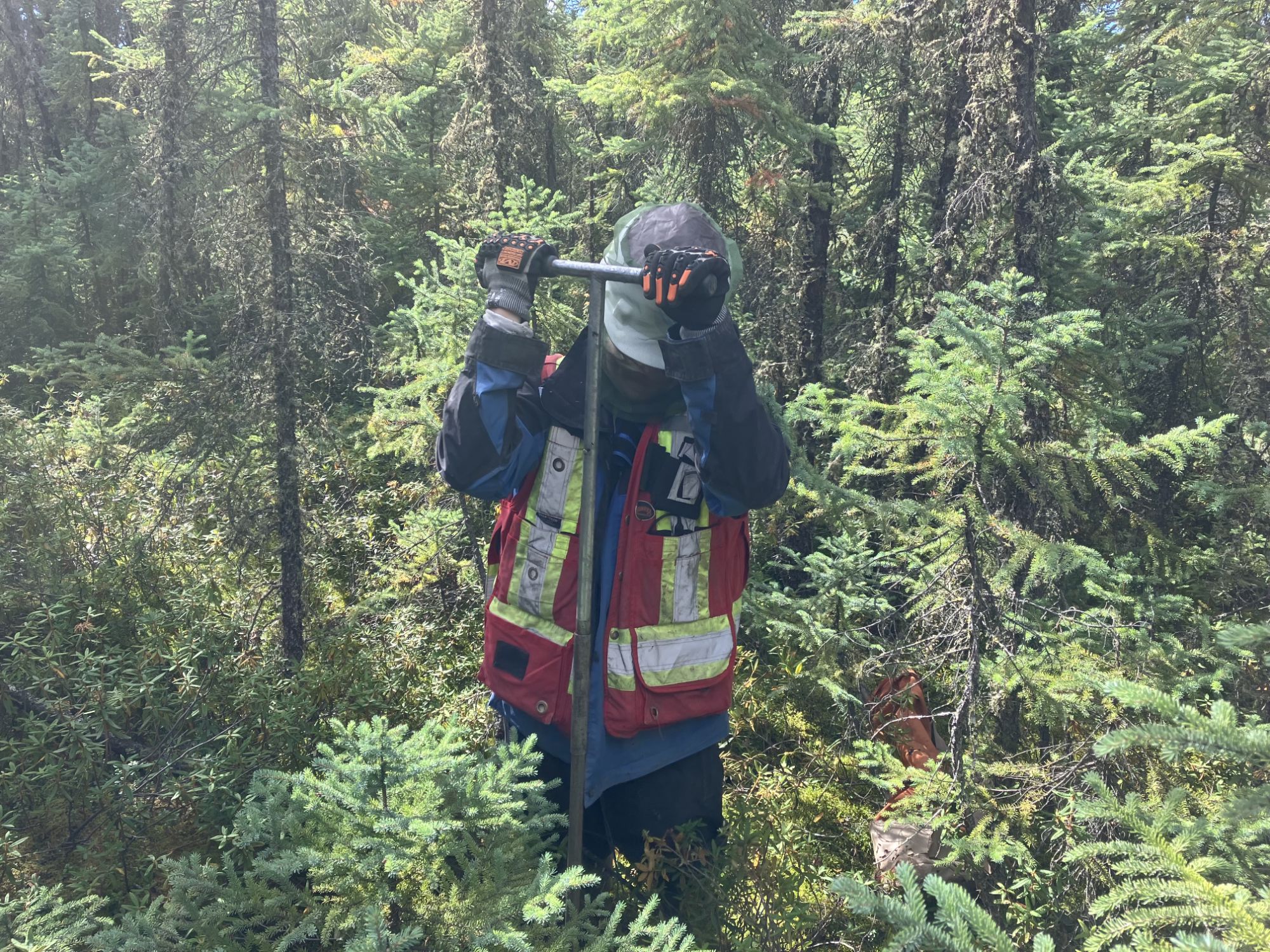
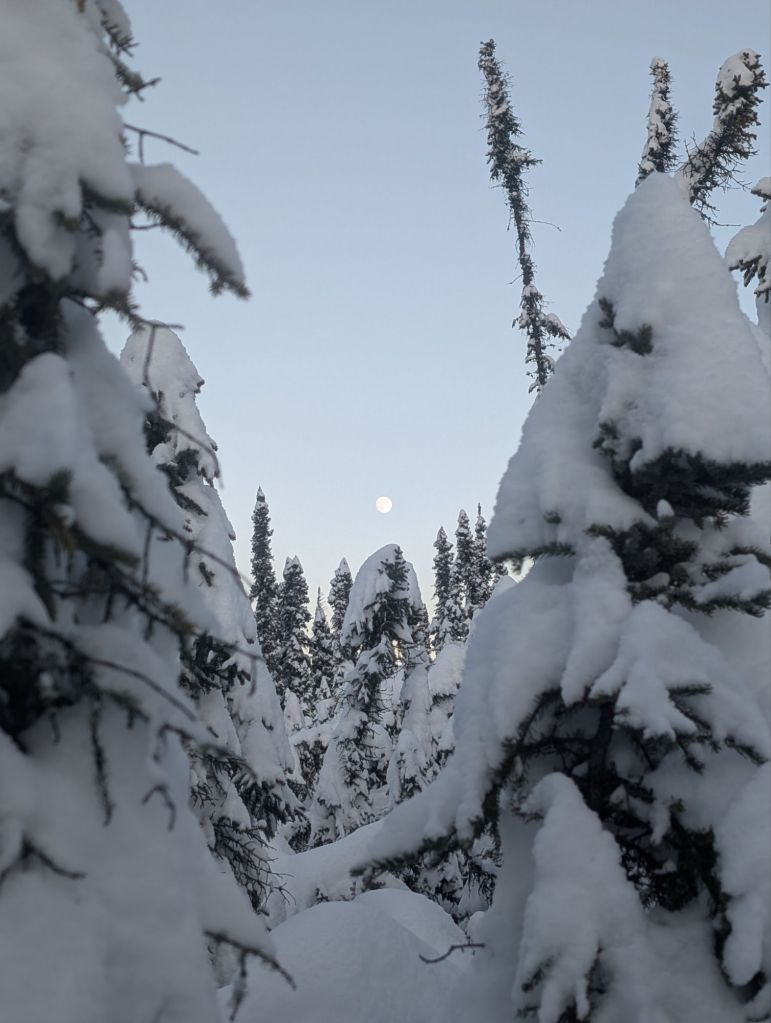
One thing I often noticed was that animals preferred not to den in areas dense with black spruce. On wildlife sweeps we would often denote these areas as “poor habitat”.
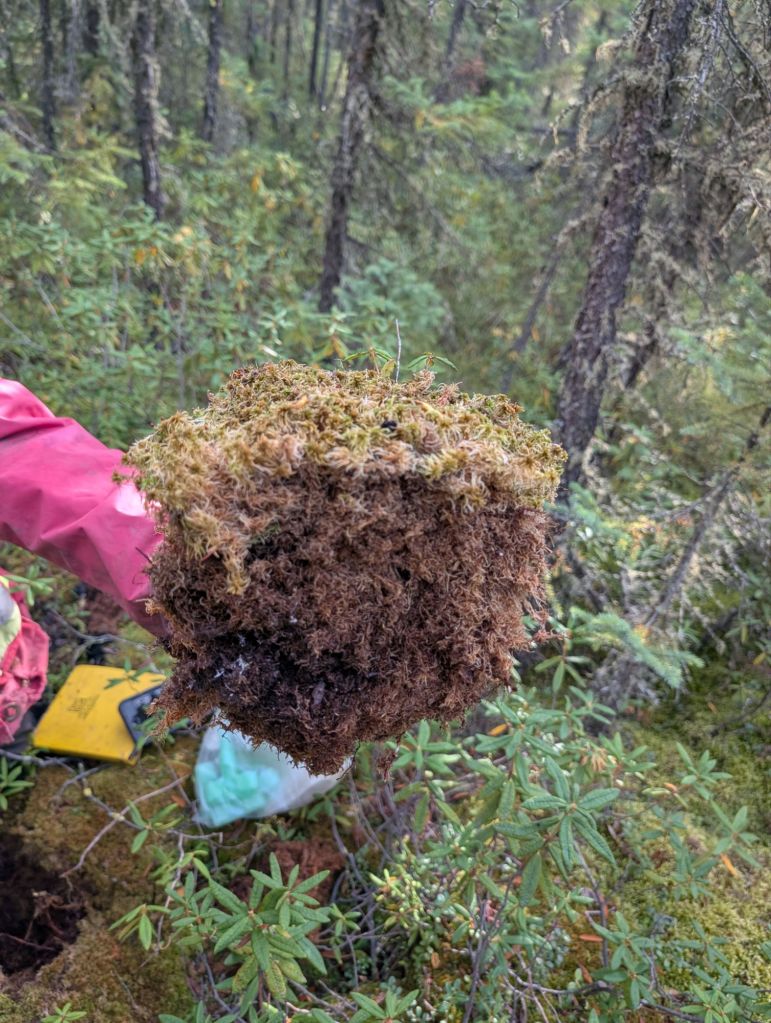
From soil survey I learned that black spruce dominant areas are often wet, as these trees prefer higher moisture in soil. Many of the surveyed areas earlier in the summer had been organic soils, with thick peat layers over water logged clay mineral soil.
As I considered these two factors, it made sense as animals intuitively know their own environments, and would be unlikely to make underground dens in areas that were wet or susceptible to flooding. Survival of the fittest ensures such wisdom is promoted.
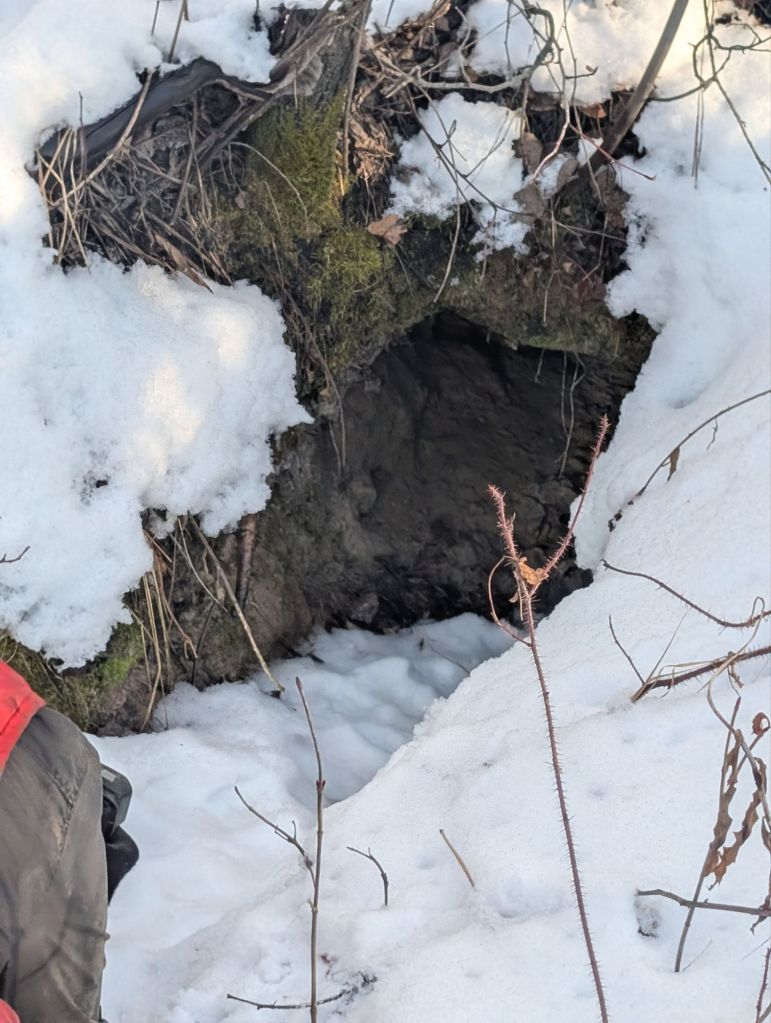
As expected, the “good habitat” was often upland soils, with some vegetation (although not too dense), and mild natural soil disturbance like uprooted trees or eroded soil making these areas easier to dig in.

It was quite interesting to get a unique perspective at my company, bringing soil knowledge to wildlife sweeps.
 Jaron Rosso Wiigs